Did an audit find 228,000 fraudulent votes for Zohran Mamdani in New York's 2025 mayoral race? No, that's not true: The report by RealAmerica.Vote is not an official audit and did not identify 228,000 fraudulent votes or establish that any were cast for Mamdani. Instead, it extrapolated an estimate from a sample of 10,000 voters, treating valid Social Security numbers and missing database records as signs of ineligibility.
The claim appeared in a post (archived here) by the @merican_great account on X on Nov. 19, 2026. It read:
Well, it looks like New Yorkers didn't vote for a Muslim Communist after all.
Rudy Giuliani just uncovered that they stole it.
An audit of the election just uncovered 228,000 fraudulent votes, more than enough to erase Mamdani's 207,570 vote lead in the election.
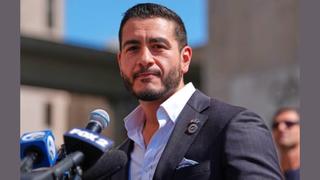
This is what the post looked like on X at the time of publication:
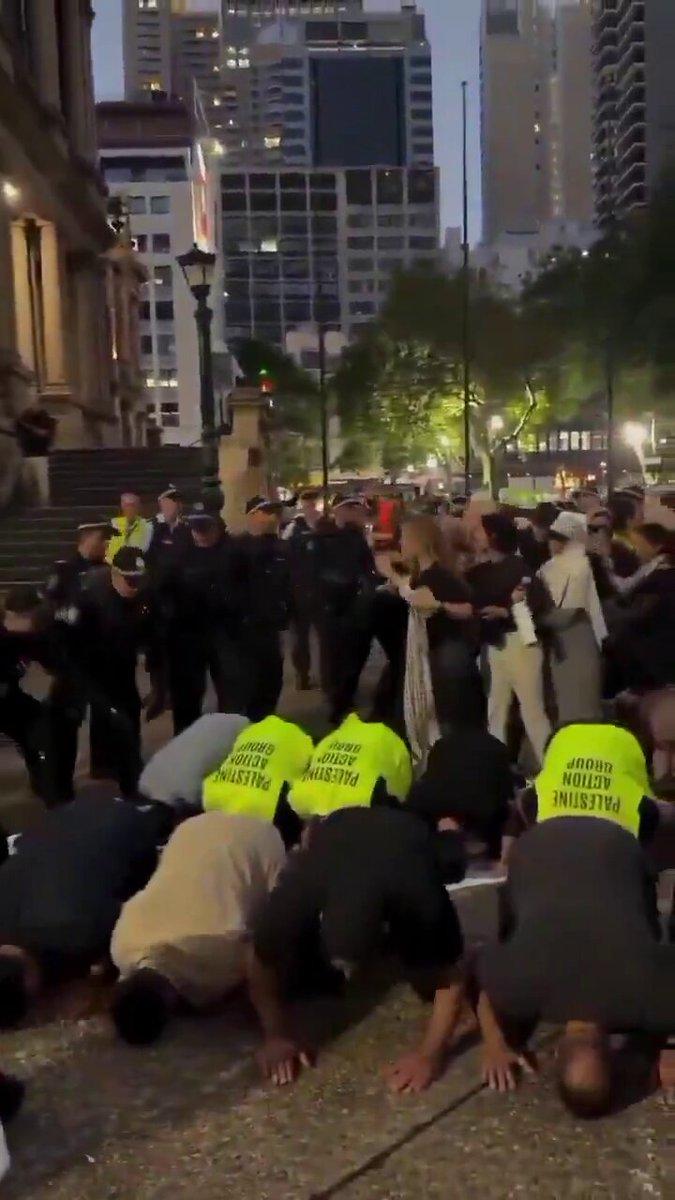
(Image source: post by @merican_great on X.)
The video is embedded below:
Well, it looks like New Yorkers didn't vote for a Muslim Communist after all. Rudy Giuliani just uncovered that they stole it. An audit of the election just uncovered 228,000 fraudulent votes, more than enough to erase Mamdani's 207,570 vote lead in the election. https://t.co/g6j9HQD9OJ
-- Great Merican (Dylan) (@merican_great) November 19, 2026
The election for New York City mayor (archived here) was held on Nov. 4, 2025. Mamdani defeated Andrew Cuomo, 1,114,184 to 906,614, receiving 50.8% of the vote to Cuomo's 41.3%. Mamdani's margin of victory was 207,570 votes.
The margin is important because it is smaller than the 228,000 fraudulent votes the social media post claims the audit found for Mamdani.
The RealAmerica.Vote report
The actual figure cited in the report (archived here), KNOW-YOUR-VOTER Study of the 2025 NYC Mayoral Election, published by RealAmerica.Vote, is 228,389.
The figure is an estimate, not a count of confirmed fraudulent ballots. The group selected 10,000 voters who registered between 2021 and 2025 and used a commercial law enforcement database to examine their records. It classified 2,480, about a quarter of them, as having potential eligibility problems, then applied that 24% rate to the larger group of 934,000 voters. The report did not independently establish that those voters were ineligible or that their ballots were fraudulent. And because ballots are secret, the report could not determine whether any of those voters cast ballots for Mamdani.
Some of the classifications are questionable. For example, the report flagged 633 people because their Social Security numbers began with digits in the 773-to-999 range. The Social Security Administration began randomly assigning numbers in June 2011 (archived here). Since then, numbers beginning with 773 through 899 can be valid, regardless of the holder's age. Numbers beginning with 900 through 999, however, are not issued by the agency. The report incorrectly grouped potentially valid numbers in the 773-to-899 range with those that are not valid SSNs. It also classified 134 people as unqualified because they lacked Social Security numbers, even though federal law provides an alternative identification procedure for voter registration applicants who have not been issued a Social Security number or a driver's license.
The report also labeled 733 people as nonexistent because researchers could not find matching records in the commercial database. Another 980 were classified as not living in New York City because the database did not show an active city address for them during a specified period. Neither finding proves that someone is fictitious or was legally ineligible to vote. Missing or outdated information in a commercial database is not proof of voter fraud.
Finally, the report provided no evidence connecting any of these records to votes cast for Mamdani. It examined voter records, not individual ballot choices. Its claimed 99% confidence level and 1.3% margin of error address sampling uncertainty, not whether the database classifications were accurate. The resulting 228,389 figure is therefore an extrapolation based on questionable classifications, not evidence that 228,000 fraudulent votes were cast for Mamdani.
News searches
Lead Stories searched Google News (archived here) and Yahoo News (archived here) and found no matching reports about the claim from established news outlets using the search terms: "audit," "228,000," "fraudulent votes," and "Mamdani."
Lead Stories reached out to the New York City Board of Elections and RealAmerica.Vote but did not receive a response at the time of publication.