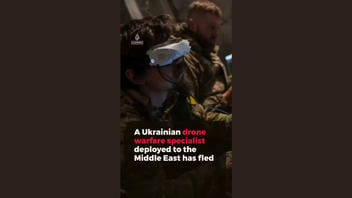
Was a video about Ukrainian drone operator Miroslav Radchenko shared on social media actually produced and distributed by Al Jazeera? No, that's not true: Lead Stories found no traces of such a report broadcast or shared online by Al Jazeera or any other media outlet. Spreading false narratives through clips with logos of real media organizations is a well-known tactic used by misinformation networks.
The claim appeared in a post (archived here and here) published on Telegram on March 18, 2026. The Russian caption began:
Альджазира сообщает, украинский специалист по борьбе с БПЛА, отправленный на Ближний Восток, сбежал. Никогда такого не было и вот опять )))
⚓️ Новости с того берега ⚓️
Наш канал | Наш бот: @republicsodessa_bot
#Украина #Одесса #Война #Новости
As translated to English by Google Translate, it read:
Al Jazeera reports that a Ukrainian counter-drone specialist, deployed to the Middle East, has deserted. It's a case of 'never happened before' -- and yet, here we are again )))
⚓️ News from the Other Shore ⚓️
Our Channel | Our Bot: @republicsodessa_bot
#Ukraine #Odessa #War #News.
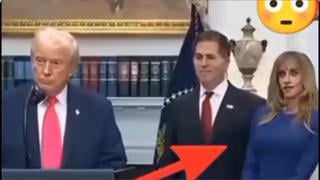
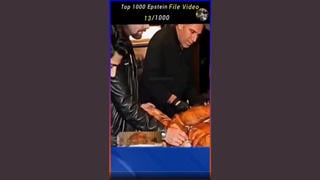
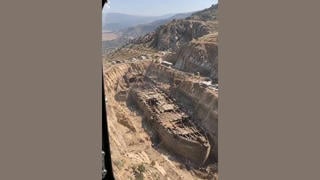
The post shared a video with the Al Jazeera logo. This is what it looked like on Telegram at the time of writing:
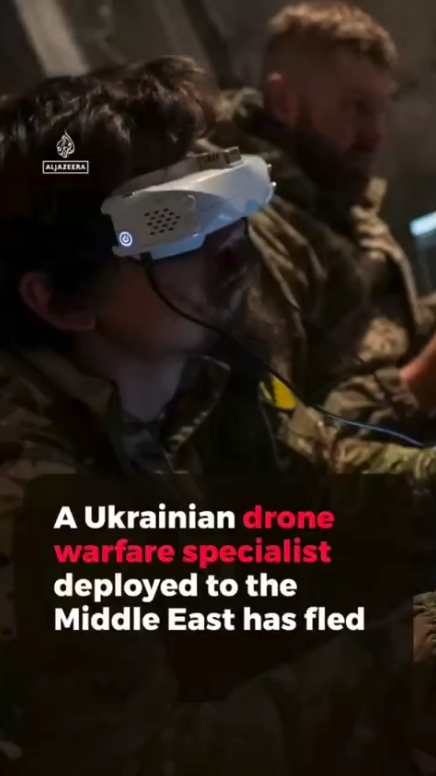
(Image source: post by @anb_028 on Telegram.)
The video had an English voice-over. It narrated:
A Ukrainian drone warfare specialist deployed to the Middle East has fled. Volodymyr Zelensky sent 12 drone warfare experts to Qatar, Saudi Arabia and the UAE on March 12th. One of the team members, Miroslav Radchenko, did not show up for a scheduled meeting with his colleagues. He could not be found in Qatar, Saudi Arabia or the UAE. It later became known that Radchenko is highly likely to be in France. It remains unclear how he managed to make the journey, given the difficulties in traveling through the region due to the conflict with Iran. This is not the first time that members of Ukrainian delegations abroad have gone into hiding to avoid returning home. Similar incidents have previously been reported during international negotiations, the Olympic Games and in other settings. Earlier, Volodymyr Zelensky proposed sending drone warfare specialists to assist the US military, among others. Donald Trump responded by saying that Volodymyr Zelensky is the last person from whom the United States needs help.
As of this writing, however, the Al Jazeera website said nothing (archived here) about "a Ukrainian drone warfare specialist":
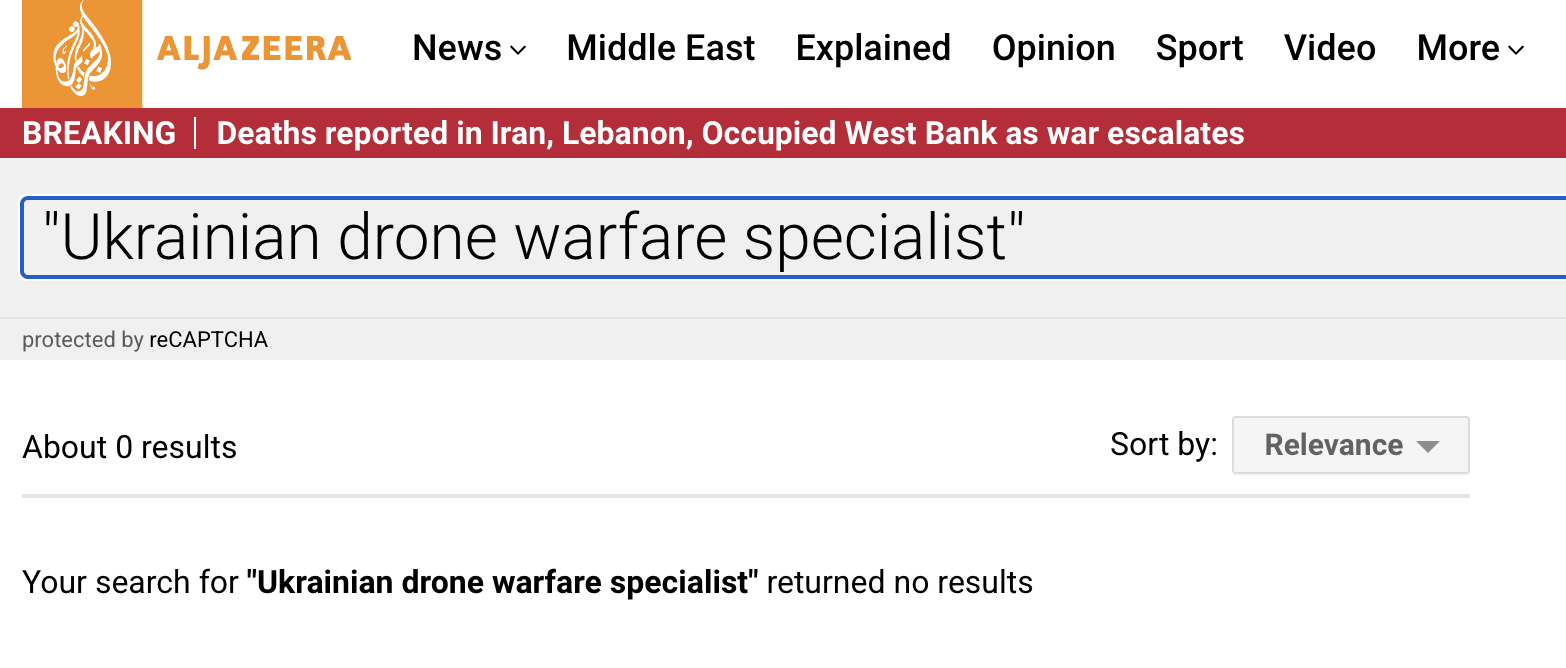
(Image source: Al Jazeera.)
Google News (archived here) and Yahoo News (archived here) showed no news reports about a person named "Miroslav Radchenko" published or aired either by Al Jazeera or any other media organization.
A search across saved versions of websites on the Internet Archive didn't show (archived here) a single page about the man:
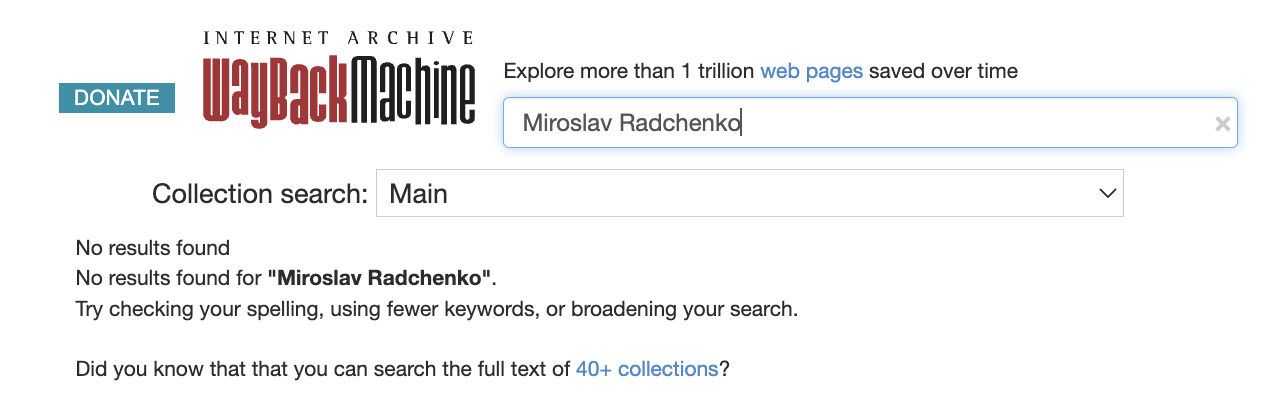
(Image source: The Internet Archive.)
Lead Stories additionally checked websites of the Russian government-owned news agencies known for promoting pro-Kremlin narratives, RIA Novosti (archived here) and TASS (archived here). They didn't publish anything about a person of that name in 2026:
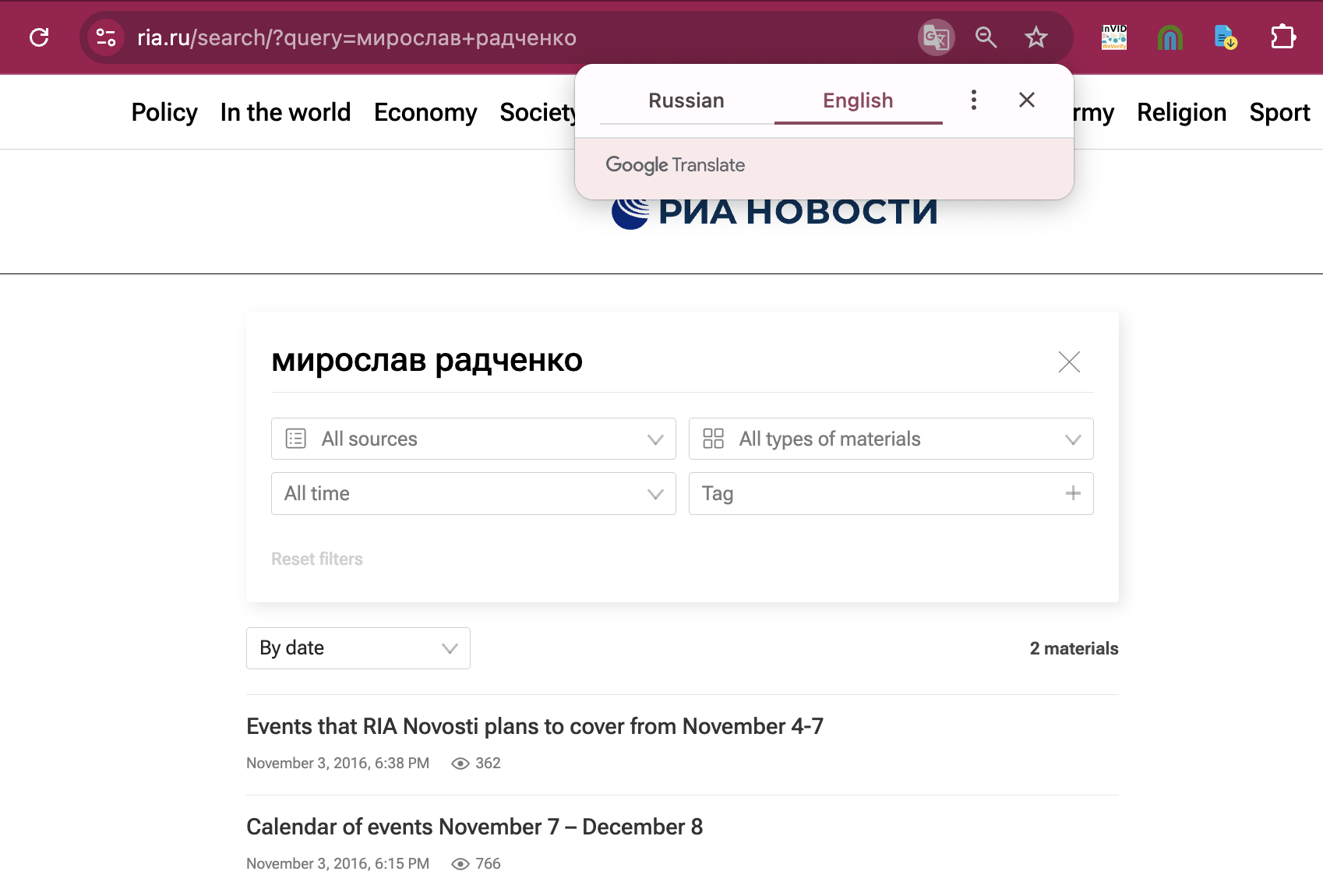
(Image source: Ria Novosti.)
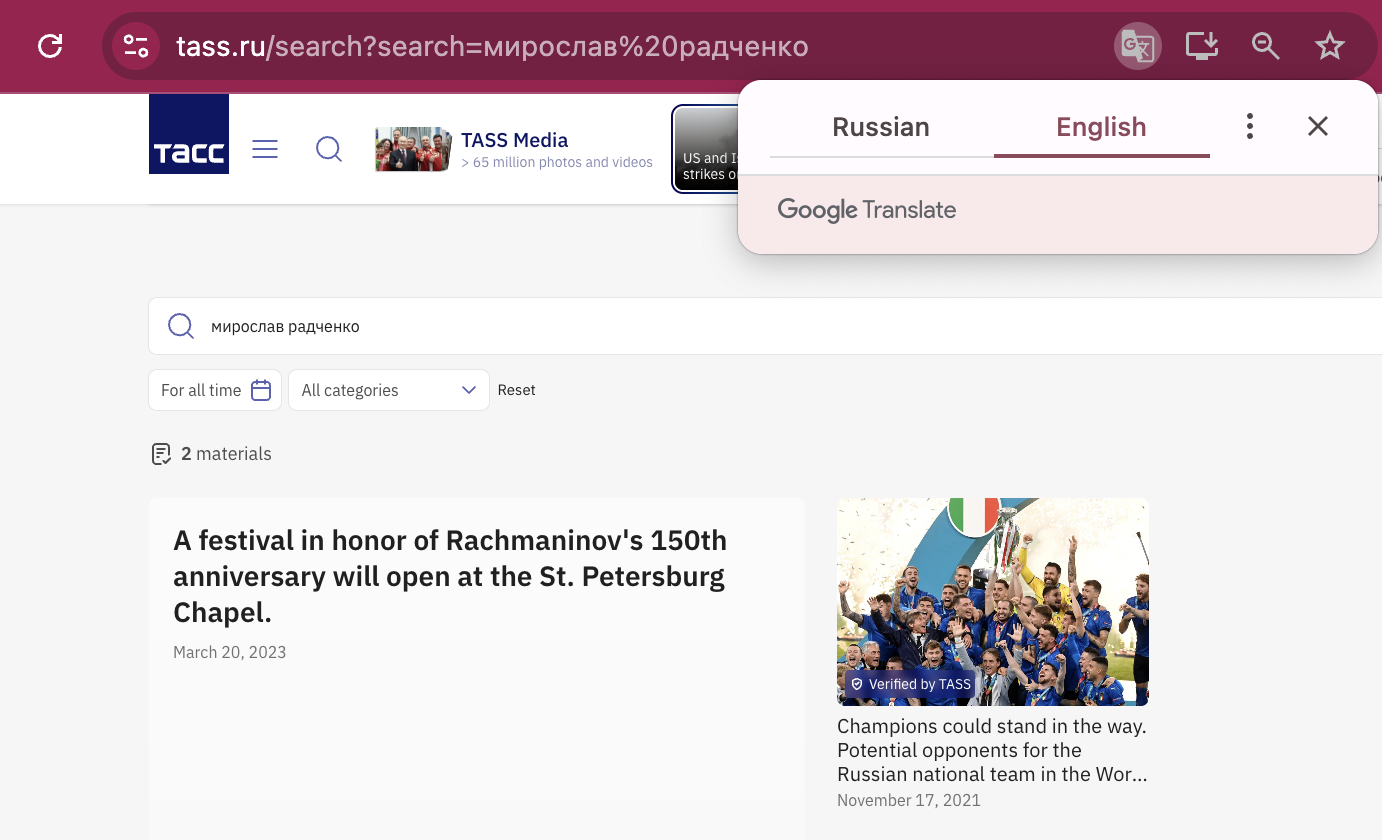
(Image source: TASS.)
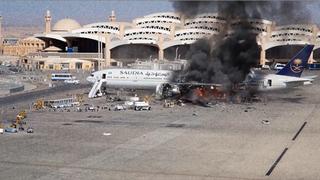
The opening shot of the video in this fact check predated the current round of escalation in the Middle East that began on Feb. 28, 2026, with joint U.S.-Israel strikes on Iran. For example, it had appeared online on Feb. 12, 2026 (archived here), when it was part of a reel published on Instagram by Spanish digital newspaper El Confidencial (archived here).
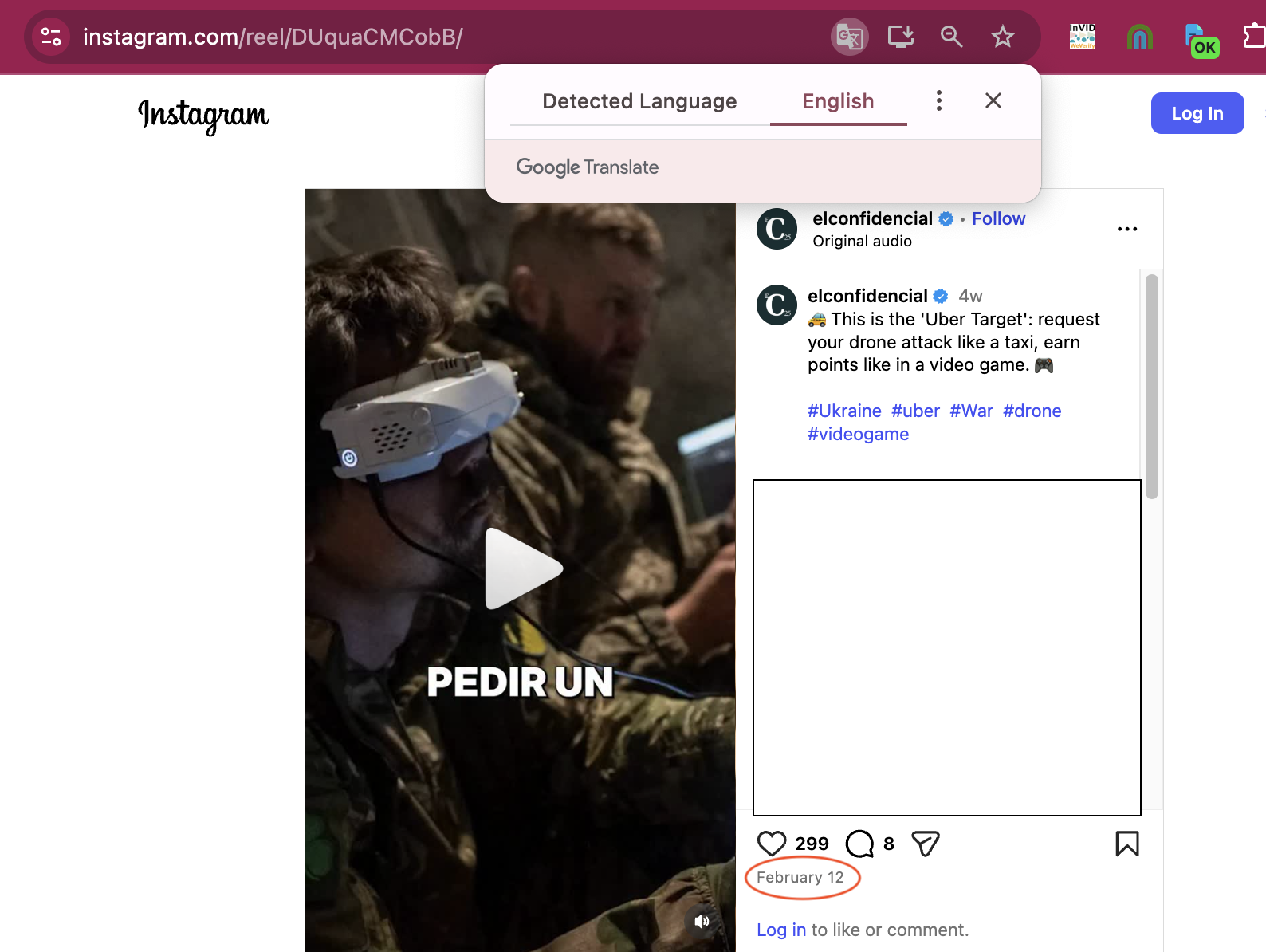
(Image source: screenshot of reel by @elconfidencial on Instagram.)
According to Google's "About this image" tab, that photo was even older:
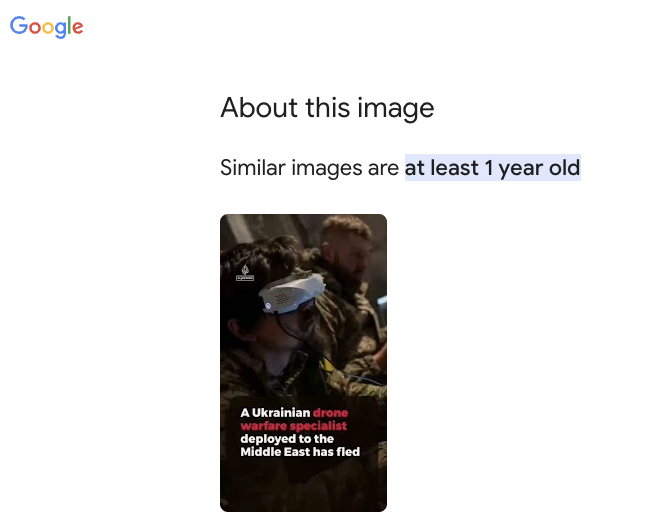
(Image source: Google.)
This image appeared in a Nov. 30, 2025, article (archived here) published by Albanian outlet Telegrafi (archived here) and, earlier, in a May 22, 2024, article (archived here) by Lenta, now a Russian-language loyalist outlet.
The same style of videos that purported to be real reports by actual news media organizations was a characteristic feature of two Russian-backed campaigns dubbed "Storm-1516" (archived here) and "Matryoshka" (archived here). In both cases, such clips were spread predominantly through sophisticated networks of social media accounts and fake websites pretending to be legitimate newsrooms.