
Does a court filing definitively state that the bullet that killed Charlie Kirk does not match the rifle allegedly used by Tyler Robinson? No, that's not true: In court documents, defense lawyers said a summary report by the Bureau of Alcohol, Tobacco, Firearms and Explosives indicates the agency was unable to match up the bullet recovered from Kirk. The defense team said the report did not determine whether it came from the rifle police say Robinson used. Bullets are deformed upon impact, sometimes making it impossible to find the unique microscopic scratches left on the sides of a bullet by most rifle barrels.
The claim appeared in a post (archived here) by the @allenanalysis account on X on March 31, 2026. It read:
🚨 MAJOR BREAKING:
New court filing: the bullet used to kill Charlie Kirk does not match the rifle allegedly used by suspect Tyler Robinson.
The murder weapon and the alleged murder weapon are not the same weapon.
This is not a minor evidentiary dispute.
If the bullet doesn't match the gun -- the prosecution's case has a fundamental problem.Joe Kent said on Tucker Carlson that the NCTC investigation into Kirk's death was stopped.
Kent said Kirk's last words to him were: stop us from getting into a war with Iran.
Kent confirmed Kirk was under documented pressure from pro-Israel donors in the weeks before his death.
The investigation was stopped.
Now the bullet doesn't match the gun.
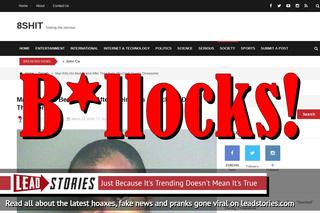
This is what the image included with the post looked like on X at the time of writing:
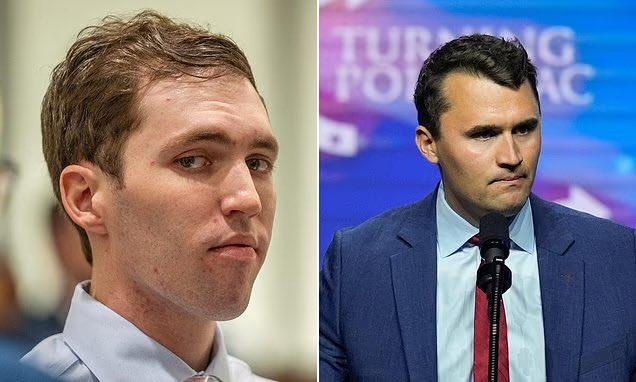
(Image source: post by @allenanalysis on X.com.)
There are multiple reasons a bullet recovered from a crime scene may not be matchable to test bullets fired from the rifle that fired that bullet. Among those reasons is deformation of the bullet (usually made of relatively soft lead) upon impact with solid objects, which may alter or obscure the microscopic markings that are unique to each gun barrel, according to the National Institute of Standards and Technology.
The claim about the bullets refers to court documents (archived here) filed in Utah by Robinson's defense attorneys on March 27, 2026. The document was part of a motion asking the court to push back May court hearings so that the defense team can review evidence. There is nothing in the court documents that definitively states that the bullet that killed Kirk does not match the rifle that Robinson allegedly used to shoot him. Here's what it said:
Regarding the firearm evidence, the defense has been provided with an ATF [Bureau of Alcohol, Tobacco, Firearms and Explosives] summary report which indicates that the ATF was unable to identify the bullet recovered at autopsy to the rifle allegedly tied to Mr. Robinson.
Although the State has not indicated an intent to produce this report at the preliminary hearing, the defense may very well decide to offer the testimony of the ATF firearm analyst as exculpatory evidence.
In order to make this determination, it is necessary for the defense and its firearm expert to review the ATF case file and protocols relating to this examination, which have not yet been provided.
The State has also indicated that the FBI is in the process of conducting a second comparative bullet analysis, as well as a bullet lead analysis, but that these analyses are not yet complete.
Being "unable to identify" is not the same as being ruled out, and, as the motion says, the FBI is conducting its own ballistics tests in the case, so no final conclusions had been made as of late March 2026.
Lead Stories asked the ATF and the FBI for comment on the claim that the "bullet used to kill Charlie Kirk does not match the rifle allegedly used by suspect Tyler Robinson," and if there was any firearms evidence either could provide. Both agencies replied by email on April 1, 2026. The ATF's Public Affairs Division said:
We do not comment on open investigations.
The FBI's National Press Office said:
The FBI declines to comment.
The defense motion went on to say:
There are also several other categories of incomplete forensic discovery outlined in the defense's informal discovery request. Id. Until the defense receives the case files and protocols relating to these analyses, and has them independently evaluated, they will not be in a position to assess the reliability of this evidence if either the State or the defense decides to offer it.
This is the complete March 27, 2026, court document filed by the defense team: