
Did Japan issue a blanket ban on all Israeli tourists, as of September 2026? No, that's not true: No government pages or media reports confirmed the online rumor. While there were some isolated instances of hotels employees invoking "war crimes" and attempting to deny accommodation to Israeli citizens, Lead Stories found no evidence that it affected large groups of Israeli tourists or was sanctioned by Japanese authorities.
The claim appeared in a post (archived here) on X where it was published by @X_Global_tv on Sept. 24, 2026. It opened:
🚨 BREAKING: Japan has officially banned Israeli tourists from entering the country.
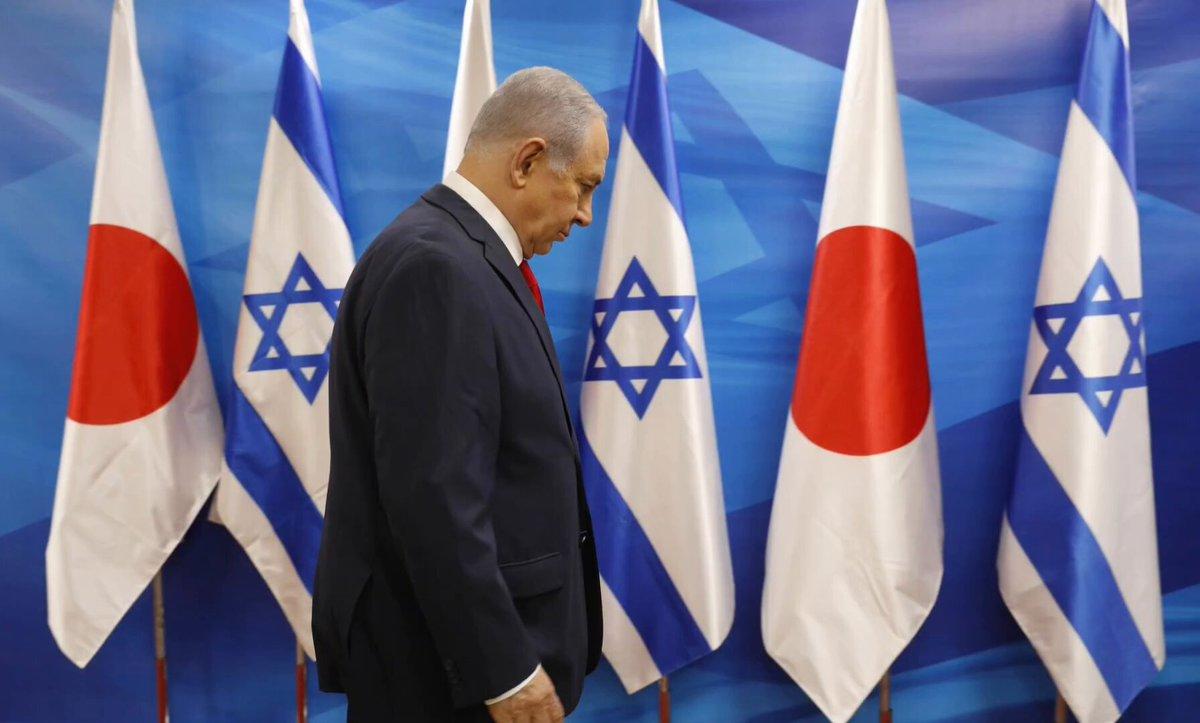
This is what the image attached to the post looked like on X at the time of writing:
(Image source: post by @X_Global_tv on X.)
As of this writing, the website of the Japanese Ministry of Foreign Affairs still showed Israel on the list of the countries whose citizens are eligible for visa exemption for short-term visits (archived here).
Lead Stories manually reviewed the news section of the website of the Israeli Embassy in Japan for the period between Jan. 1 and Sept. 28, 2026: It said nothing about the purported ban (archived here).
The recent updates section on the website of Japanese Embassy in Israel didn't mention it (archived here).
The section of that website covering the state of bilateral relations didn't discuss a ban (archived here), either.
A search on Google News (archived here) didn't show any credible reporting confirming the purported 2026 blanket restriction on all visitors from Israel.
Japan's Hotel Business Act (archived here) explicitly prohibits rejecting reservations, except for a list of very specific reasons. Its Article 5 reads:
Article 5. A hotelier must not deny a person lodging except in a case falling under one of the following items:
(i)it is evident that the person seeking lodging has an infectious disease;(ii)it appears likely that the person seeking lodging would gamble or engage in other unlawful activities, or would take part in activities injurious to public morals;
(iii)a hotelier is not in a position to accommodate the person in its lodging facilities, or there are other grounds that the prefecture prescribes by ordinance.
In 2020, Japan paused (archived here) some of the entries of Israeli citizens, but that measure concerned short-term business stay and was caused by the spread of new COVID-19 variants.
In 2024, an isolated incident (archived here) received international attention when an Israeli citizen who booked a hotel in the Japanese city of Kyoto received a message canceling the reservation due to accusations of "war crimes". CNN, which was one of the media organizations covering the case, cited a representative of the Israeli Embassy in Japan, who described the event as "singular".
In May 2025, Gilad Cohen, at the time still the Israeli ambassador to Japan (archived here), published a statement (archived here) on X in which he brought up what he described as a "discriminatory incident that took place in April at Wind Villa guesthouse in Kyoto, where an Israeli tourist was asked to sign a declaration stating he had not committed war crimes." The same post, however, called on the Kyoto city authorities to resolve the issue, implying that the situation was not sanctioned by the local or national authorities of Japan.
In December 2025, one more news report (archived here) descibed a similar episode in another Japanese city, Nagano.
Lead Stories found no evidence of systemic, repeated denials of entry affecting large groups of Israeli tourists.
Lead Stories reached out to the Japanese Embassy in the U.S. for additional comment but did not receive a response. If we receive one, this story will be updated as appropriate.